
How to Discuss In-Home Help With Aging Parents
Welcome to Sugar, Spice & Glitter! Please note, this post may contain affiliate links. For more details, see our Full Disclosure.

The mail piles up on the hall table. Your dad takes the front steps more slowly than he did last spring, and the fridge holds three condiments and not much else. You want to say something, but you’re afraid it will sound like a verdict on his whole life instead of an honest question about one thing you noticed.
Lead with genuine curiosity and one thing you noticed. Don’t frame it as a demand. If this is your first time having that talk, integracarehomecare.ca can help you understand what in-home support may involve. In a 2024 National Institute on Ageing survey, 80% of Canadians aged 50 and older said they want to age at home, not move into an institution. Keep that preference in mind for everything you say next.
Do Your Homework Before You Talk
Being prepared doesn’t mean arriving with a decision already made. Come with facts about what’s changed, plus a rough sense of what support involves. Leave enough room for your parent to shape the outcome.
Write down observations, not conclusions
Stick to what you saw on a specific day, because judging who your parent is now will land as an attack. “Dad, I noticed you had trouble getting up the front steps twice this week” gives him something concrete to respond to. “You can’t manage by yourself anymore” gives him something to fight.
Keep a short running note over two or three weeks. Track meals and medication routines. Note how easily your parent moves around the house. Resist naming a cause. A new struggle with stairs could point to a handrail or a physiotherapy assessment. It could just mean someone should help carry the laundry. Figuring out the cause is a job for a qualified healthcare professional.

Research In-Home Care Choices
Families often feel overwhelmed when discovering the range of home care options available—from hourly visits and personal support to live-in care, home nursing, dementia care, and post-surgical wound care. Taking time to understand what in-home support involves helps narrow down what is actually needed before introducing a service.
For instance, providers like Integracare Home Care in Toronto, Mississauga, and Ottawa build individualized plans by collaborating directly with the client, their family, and their existing medical team. Involving aging parents in shaping their own care plan helps ensure it reflects their preferences and gains their support.
Knowing the range lets you offer something small, like help with the heavy grocery run, or two visits after a hospital discharge. That beats presenting “home care” as one permanent arrangement your parent must accept or refuse.
Decide what a good first conversation can accomplish
You do not need a signed care plan by dessert. A good first conversation might end with permission to bring it up again. It might end with a willingness to mention the stairs at the next doctor’s appointment, or an agreement to try help with one task.

Money belongs in the preparation stage too. The Canadian Centre for Caregiving Excellence reports in its Caring in Canada 2026 study that 49% of caregivers in Canada face financial strain. It also found that one in five spends more than $12,000 a year out of pocket on care-related costs. Find out what an hourly visit costs in your parent’s city before you promise anything. A plan the family cannot afford may collapse just as everyone starts to rely on it.
How to Start the In-Home Help Conversation
Choose a calm and private moment
Timing protects dignity. Don’t raise this mid-argument or in front of a room full of cousins. Don’t raise it in the car on the way home from an appointment, when your mother is tired and already feeling examined. A quiet kitchen table is usually better than a formal “family meeting,” which may suggest that a decision has already been made without her.
Ask first: “Could we talk about something I’ve noticed lately?”
When a recurring difficulty starts to affect safety or daily routines, that’s the moment to suggest support. There’s no need to wait for an emergency. Still, one burnt pot or one forgotten appointment hardly proves a capable adult can’t keep living on her own. Treat it that way and future conversations may get harder.
Use a respectful conversation sequence
- Ask permission: “Is this a good time to talk about something I’ve noticed?”
- Offer one observation: “You seemed unsteady carrying laundry down the stairs.”
- Invite your parent’s view: “How has that been feeling for you?”
- Name what you hope to protect: “I know staying in your own home matters to you.”
- Offer a small choice: “Would you rather look at help with laundry or help with groceries first?”
- Leave room for time: “You don’t have to decide tonight. Can we talk again on Sunday?”
Then stop talking. Your parent should do most of the talking. Your job is to hear what sits underneath any hesitation. Often it’s money or privacy. Sometimes it’s the fear that accepting one kind of help is the first step toward losing the whole house.
What to Say When a Parent Refuses Help at Home
Listen for the concern beneath “no”
Many refusals aren’t really about the service. A parent may hate the idea of a stranger seeing the state of the bathroom. She may have priced out a week of visits and gone quiet. Or she hears the word “caregiver” as proof that the family has already decided she’s incapable. Find out what that “no” is protecting.
“I hear that having someone in the house feels intrusive. What would make the idea feel more comfortable, if anything?”
Whatever comes back, don’t rebut it in the next breath. Say it back first, in your own words, so your parent knows you understood. Only then ask what might make the idea workable.
Offer a limited trial, not an open-ended commitment
Open-ended arrangements can feel like a closed door. A defined experiment feels steerable: two visits after surgery, or help with the basement laundry for a month.
“Would you try two visits, then judge whether any part of it was useful?”
Make the trial mean something. If your parent has decision-making capacity and nobody faces immediate danger, respect the review date and whatever your parent decides then, even if that decision is no.
Separate refusal from immediate danger
Disagreement isn’t an emergency. Sudden confusion, a serious fall, or missing a critical dose of medication: those are emergencies. In those moments, contact a healthcare professional or emergency services right away, based on severity.
Resist the urge to diagnose. Forgetting a name is not dementia, and stubbornness certainly isn’t. The Alzheimer Society of Canada projects that about one million people will be living with dementia in Canada by 2030. Persistent changes in memory or judgment deserve a professional assessment, not a family diagnosis.
Keep the relationship open after a refusal
“I respect that you don’t want to decide today. I’m still concerned about the stairs, so I’d like us to revisit that specific issue next week.”
Lay off the guilt trips and the sarcasm, and resist a daily campaign of reminders. Pressure may produce one reluctant yes and then make the subject harder to discuss. A calm exit leaves the door open for another conversation when things change.
How to Talk With Siblings About Care for a Parent
Build a shared picture before choosing care
Compare dates and events, not devotion. A sibling three provinces away may only see the version of your mother that gets tidied up for a Sunday video call. The sibling ten minutes away is quietly handling the pharmacy runs and the appointment schedule nobody else has seen.
Many families are in this position. Federal Retirees reports that roughly eight million Canadians provide care for a relative or friend with a long-term health condition or age-related need. That doesn’t mean your family has to personally deliver every hour of support your parent needs.
Talk about workload before resentment takes over
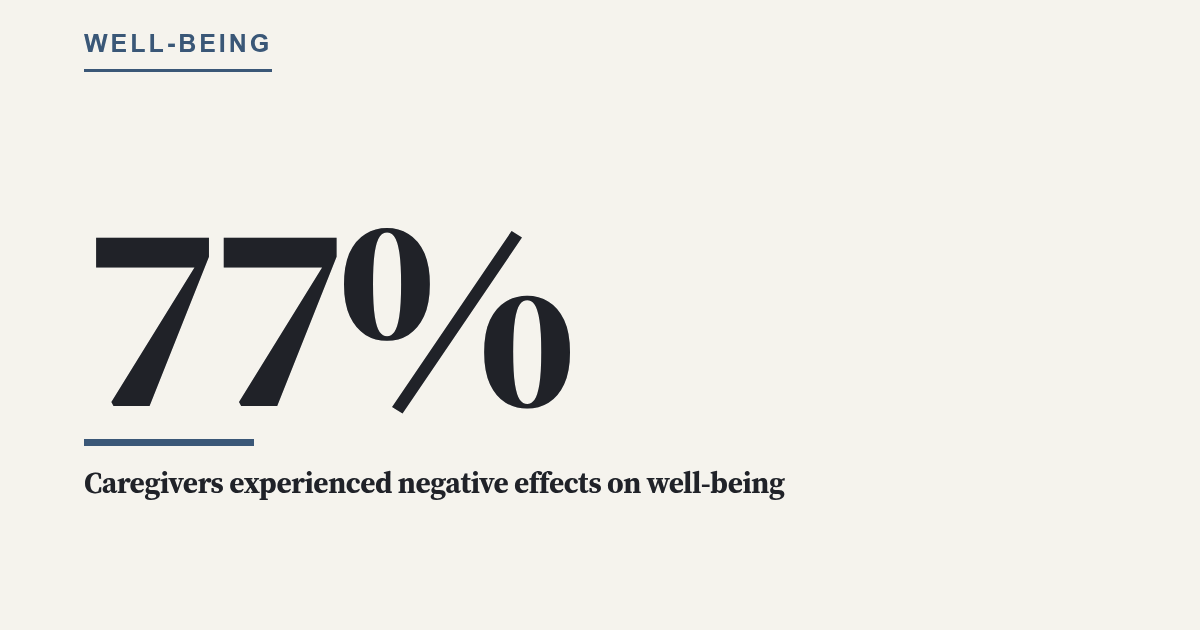
Say the hard part out loud early. The same 2026 report found that 77% of caregivers experienced negative effects on their well-being. Combined with financial pressure, siblings often hide these issues from one another until someone becomes overwhelmed.
Each person should name what they can realistically contribute in hours and dollars. Then leave it there. This is not the moment to revisit old family disputes.
Give each sibling a defined responsibility
Vague goodwill produces little practical help. One sibling can coordinate appointments; another can handle invoices and insurance paperwork. Someone else might take the standing Wednesday phone call with your mom so she hears from more than one child each month.
Record the decisions in a shared note afterward so nobody remembers them differently six weeks later. Include your parent in that process wherever possible.
“Before we decide what Mom needs, can we agree on what has actually changed and ask what she wants help with?”
When to Revisit the Discussion About Home Care
Return to the subject after a meaningful change
A fall counts. So does a hospital discharge or a new mobility problem. The clearest trigger is when the family caregiver runs out of capacity. Something concrete should have shifted. Otherwise, you may simply be repeating an argument your parent already settled.
“When we talked last month, you wanted to keep handling meals yourself. Since carrying groceries has become painful, could we look at help with that task while you keep cooking?”
That wording honours the earlier decision and narrows the request to one task your parent can picture. They keep the kitchen; someone else carries the bags up the walk.
Review what’s working before adding more
If your parent accepts limited help, schedule a calm review. Ask which parts are useful and which feel intrusive. Then act on what you hear.
A yes to housekeeping is not a yes to personal care or nursing. Treating the first accepted service as permission to add everything else is a quick way to lose the trust you just earned.
Phrases That Protect Choice and Phrases That Create Pressure
| Pressure-based wording | More respectful wording |
|---|---|
| “You can’t live alone anymore.” | “I’ve noticed the stairs have become difficult. How are they feeling to you?” |
| “We’ve decided you need help.” | “What would make daily life at home easier right now?” |
| “If you cared about us, you’d agree.” | “I’m worried, and I want to understand what worries you about getting help.” |
| “A caregiver will take over these tasks.” | “Which task would you be comfortable getting help with first?” |
| “You’re being stubborn.” | “It sounds like this idea feels like a loss of control.” |
Respectful wording doesn’t mean softening a real concern into nothing. You can say plainly that the basement stairs frighten you or that the burner was left on twice. What you’re avoiding is the move from “this happened” to “you are no longer a competent adult.” Age by itself proves nothing, and your parent knows the difference between worry and dismissal.
Name the problem without labelling the person.
Keep the Conversation Open
The goal of the first talk isn’t necessarily a decision. It’s a relationship that can hold the second talk, the fifth, and the one that follows a sudden change. Bring your observations. Bring a few practical options. Then let your parent name the part of daily life that matters most to protect.
Progress is often slow, and slow is fine. A first conversation may end with a small agreement or no agreement at all. If your parent feels heard and knows you’re trying to protect the life they value at home, you’ve built a steadier foundation for the next conversation.