Advantages and Disadvantages of Montessori Education
Welcome to Sugar, Spice & Glitter! Please note, this post may contain affiliate links. For more details, see our Full Disclosure.
Montessori education often sparks curiosity – and sometimes controversy. Is it really the best way to educate children, or just another trendy alternative? If you’re a college student studying education, child development, or even just thinking ahead to future parenting decisions, understanding the Montessori method is a must.
In this article, we’ll explore the advantages and disadvantages of Montessori education, breaking it all down in a clear, relatable way. We’ll look at what makes this approach unique, where it shines, and where it might fall short.

What is Montessori Education, Anyway?
Before we talk about pros and cons, let’s get one thing straight – what exactly is Montessori education?
Developed by Dr. Maria Montessori in the early 1900s, this method is all about fostering independence, curiosity, and hands-on learning. Think less “sit still and memorize” and more “explore and discover.” Montessori classrooms often look quite different from traditional ones: kids choose their own activities, work at their own pace, and use special materials designed to help them learn through doing.
This method is used in thousands of schools worldwide – from preschools to elementary, and even some high schools.
So now that we’ve got the basics, let’s dig into the real question: is Montessori a good idea?
Connecting Montessori Philosophy with Today’s Academic Challenges
For many college students studying education or child development, exploring Montessori principles goes hand in hand with managing a demanding academic workload. While analyzing how independence, self-motivation, and hands-on learning shape children’s growth, students often face their own deadlines, research tasks, and projects. It’s not unusual for them to look for ways to balance everything effectively — sometimes even searching online for the phrase “pay someone to write my assignment” when academic pressure peaks. This doesn’t diminish their interest in Montessori ideas; instead, it reflects the broader reality of modern student life, where efficiency, time management, and access to support play a major role.
The Bright Side: Advantages of Montessori Education
1. Develops Lifelong Learners
Students raised in Montessori environments tend to stay curious and enjoy learning well into adulthood. Many become self-motivated learners who pursue knowledge independently, whether through higher education, research, or personal projects. This early emphasis on exploration and intrinsic motivation often shapes how they continue learning later in life.
2. Promotes Independence and Self-Motivation
One of the biggest benefits of Montessori education is how it encourages kids to take control of their own learning. Instead of waiting for the teacher to tell them what to do, students choose activities that interest them.
Think of it like a buffet for the brain – children sample different topics, explore at their own pace, and go back for seconds when something really grabs them. This helps build self-motivation, a skill that can pay off big time in college and beyond.
3. Focuses on Hands-On, Experiential Learning
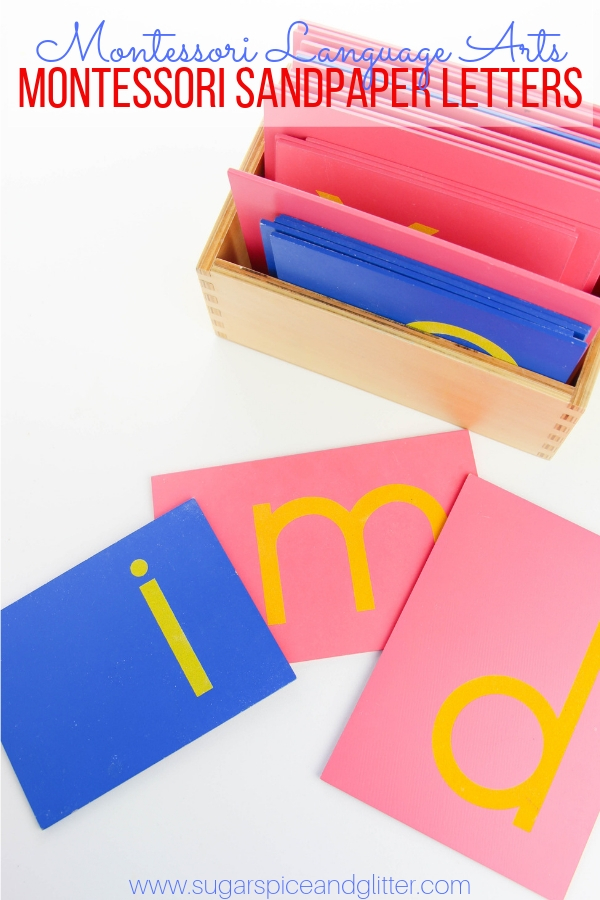
In a Montessori classroom, textbooks take a backseat to real-world exploration. Students use tactile materials to understand complex ideas. For example, instead of just learning numbers on a page, they might use beads to physically count, add, and subtract.
This hands-on approach can be especially effective for students who struggle with traditional, lecture-based teaching styles. It’s learning by doing – and let’s face it, that often sticks better than rote memorization.
4. Encourages Social and Emotional Development
Because Montessori classrooms often include mixed-age groups, older students naturally step into mentoring roles, while younger ones learn by observing their peers. This setup helps kids develop empathy, patience, and leadership skills early on.
Plus, the calm, respectful atmosphere of a Montessori class supports emotional intelligence – something that’s just as important as academics, especially in our hyper-connected world.
5. Respects Individual Learning Styles and Paces
Ever feel like traditional school forces everyone to learn the same way, at the same time? Montessori flips that script.
Students in Montessori schools aren’t rushed through subjects or held back by a one-size-fits-all curriculum. If a child is flying through math but needs more time with reading, they’re free to adjust accordingly. That level of personalization can make a huge difference, especially for kids who learn differently.
The Flip Side: Disadvantages of Montessori Education
1. Lack of Structure Can Be a Challenge
While freedom in learning can be great, it’s not for everyone. Some students – and even some parents – struggle with the loose structure of Montessori classrooms. Without traditional grading, tests, or deadlines, it can be hard to measure progress or hold students accountable.
For kids who thrive on routine and clear expectations, the Montessori method might feel a bit too open-ended.
2. Not Always Accessible or Affordable
Here’s the reality: many Montessori schools are private – and private often means expensive. While there are public Montessori programs, they’re less common and can have long waiting lists.
This limits access for many families, raising concerns about equity and inclusion in the world of alternative education systems.
3. Limited Exposure to Standardized Testing
Montessori students typically don’t spend much time on standardized test prep – which can be both a strength and a weakness. On one hand, it frees up time for deeper learning. On the other, students may be less prepared for the kinds of testing environments they’ll face later on, like college entrance exams.
4. Teacher Quality Varies Widely
Not all Montessori schools are created equal. The term “Montessori” isn’t trademarked, which means any school can technically call itself Montessori – even if it doesn’t follow the method closely. This makes it tough for parents (and future educators) to assess quality.
Training for Montessori teachers also varies, and not all instructors have the same level of preparation or certification.
5. Social Transition to Traditional School Can Be Tricky
If a student starts in Montessori but later switches to a more traditional school, the transition can be bumpy. The shift from a self-paced, personalized environment to a more rigid, test-focused system can be jarring – like going from a jazz jam session to a marching band.
This doesn’t mean Montessori kids can’t adapt – many do – but it’s something to keep in mind.
When Is Montessori a Good Fit?
Considering Learning Style and Personality
Montessori tends to work well for independent, curious, and self-directed learners. Kids who love asking “why?” and enjoy working alone or in small groups often thrive in this kind of environment.
However, students who need more structure or struggle with too many choices might find the system overwhelming.
Thinking About Long-Term Goals
If the goal is to develop creative thinkers and problem solvers, Montessori checks a lot of boxes. But if you’re aiming for a traditional academic track – with lots of standardized benchmarks – it’s worth thinking carefully about how well Montessori aligns with that path.
Is Montessori Education Worth It?
Montessori education offers a refreshing alternative to traditional schooling, with its focus on independence, hands-on learning, and emotional development. For many students, it provides the ideal environment to grow into confident, curious, and capable learners.
But it’s not perfect. The lack of structure, higher costs, and potential transition issues mean it’s not the right fit for everyone.
So, is Montessori worth it? That depends on your values, goals, and learning preferences. Like any educational choice, it’s not about finding the “best” method – it’s about finding the right match for the learner.
For college students exploring the future of education – whether as parents, policymakers, or teachers – understanding the pros and cons of Montessori is key to making informed, thoughtful decisions.